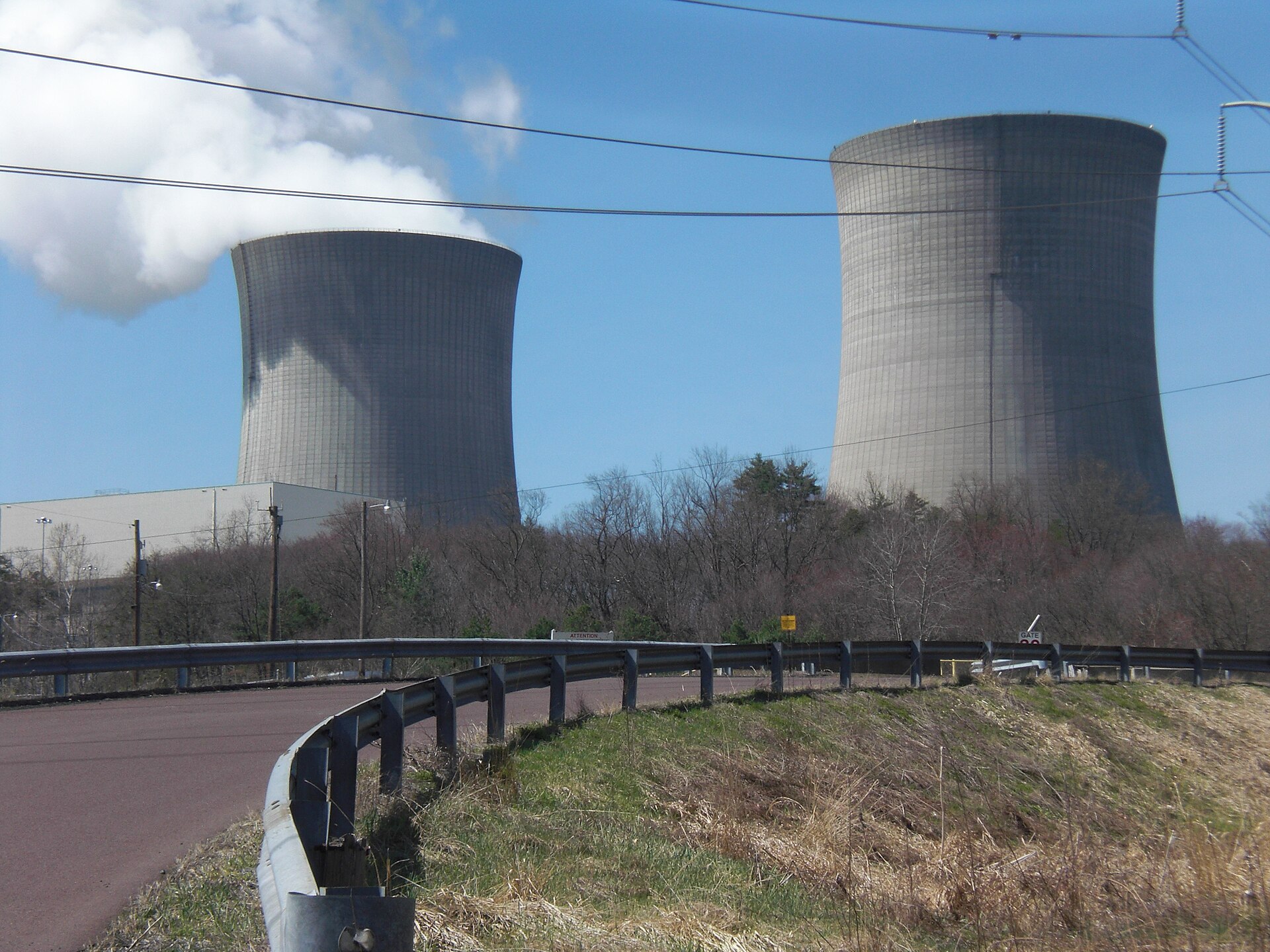
Nuclear power is having an unlikely second act. After decades in which the industry’s story was one of closures and cost overruns, a new generation of reactor designs is attracting serious money and political attention. Advanced reactors, including small modular reactors and molten-salt designs, promise electricity that is firm, carbon-free and, their backers insist, fundamentally safer than the plants of the twentieth century.
The timing is not accidental. Grids straining under data-centre demand, electrified transport and the retirement of fossil plants need power that does not depend on the weather. Readers following our front page will have noticed energy security arguments returning alongside climate ones, and advanced nuclear sits at the crossing point of the two, which explains the breadth of its new coalition of supporters.
What makes a reactor advanced
The label covers several distinct ideas. Small modular reactors shrink the proven pressurised-water design into factory-built units that can be shipped to site and added one at a time, trading the economies of giant plants for the economies of repetition. Molten-salt reactors take a different path, dissolving fuel in hot liquid salt, operating at low pressure and, in some designs, burning material that older reactors leave as waste. The United States Department of Energy runs demonstration programmes across both families.
Safety claims rest largely on physics rather than machinery. Many designs are built so that if power and operators both vanish, natural circulation and gravity shut the reaction down and carry heat away, a property called passive safety. The International Atomic Energy Agency tracks these designs through its safety review work, and regulators in several countries are adapting licensing frameworks written for a different era of reactor.
The questions that decide the outcome
Enthusiasm meets three hard tests. The first is cost: first-of-a-kind reactors are always expensive, and the industry’s history is littered with projects that arrived late and over budget. The second is waste and fuel supply, since some advanced designs need enriched fuel that only a handful of facilities worldwide can currently produce. The third is public consent, which cannot be engineered in a laboratory and varies sharply between regions.
Progress is nonetheless real. Demonstration units are under construction or in licensing on several continents, technology companies are signing power purchase agreements to underwrite them, and governments that once planned nuclear exits are quietly extending plant lifetimes. The honest position is that advanced nuclear is neither the miracle its keenest advocates describe nor the distraction its critics claim; it is a serious option whose value will be decided by the first fleets’ delivery records.
Geography will shape the map of this revival as much as technology. Countries with existing nuclear fleets, experienced regulators and established supply chains can move fastest, while newcomers must build institutions before they build reactors, a process the IAEA supports through its milestones framework. Export competition adds a strategic edge: reactor vendors arrive with financing, fuel and training packages, and the choices governments make now will bind their energy relationships for the sixty-year life of a plant. Meanwhile, fusion research continues in parallel, often confused with these fission designs in public debate but working to a longer timetable. The reactors that could plausibly change electricity systems in the 2030s are the advanced fission designs now in licensing, which is why their progress deserves attention even from readers who care mainly about bills and emissions.
Why it matters beyond the energy pages
For countries weighing how to keep industry competitive while cutting emissions, the outcome of this reactor race will shape everything from electricity prices to industrial strategy. Our news coverage will keep tracking the milestones that matter: licences granted, concrete poured, megawatts delivered. Judge the revival by those, rather than by renderings, and the next decade will tell a clear story one way or the other.