
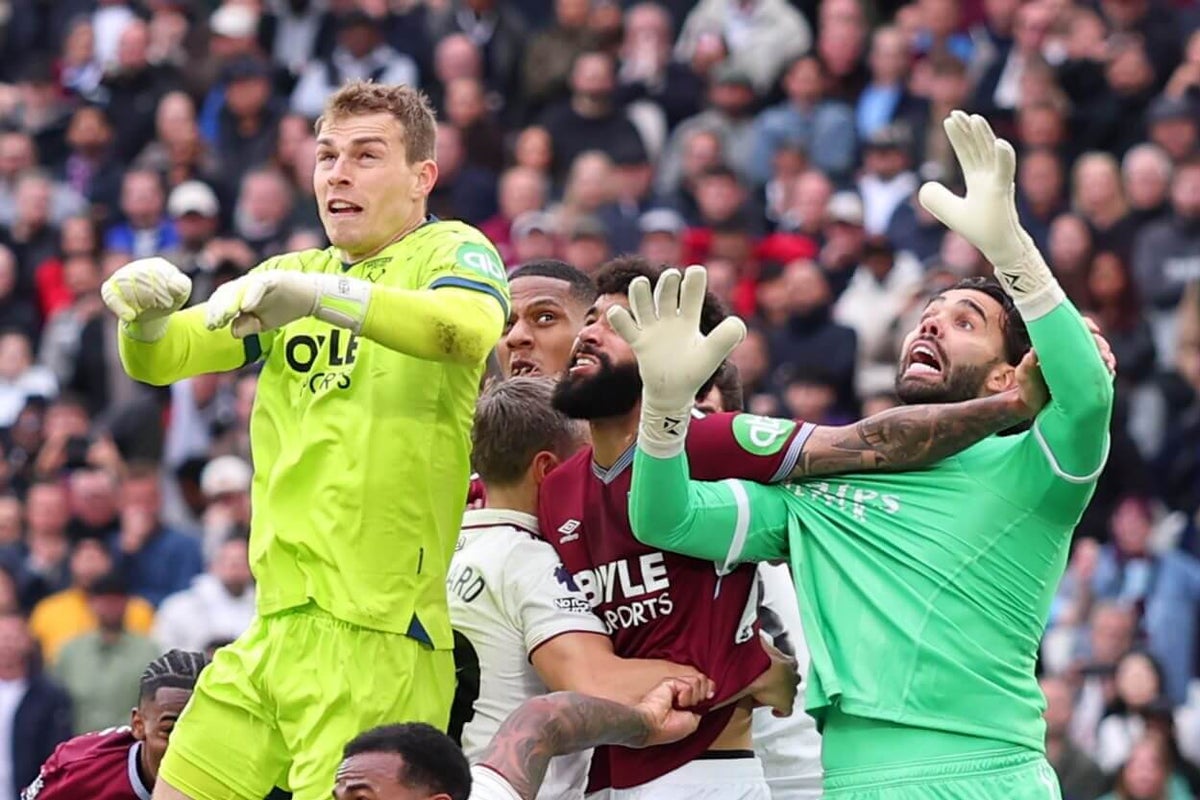
The 2008/2009 Premier League season captured a pivotal tactical shift where wide defenders transformed from pure defensive stoppers into primary creative outlets. Teams began shifting away from rigid, conservative defensive lines to exploit the space vacated by narrow opposing wingers, turning overlapping runs into mechanical triggers for chance creation. This evolution altered how matches were played across the pitch, forcing defensive structures to adapt to constant numerical overloads on the flanks. By pushing high up the touchline, these fullbacks altered statistical footprints, driving up both expected goals from crosses and the accumulation of set-piece opportunities like corner kicks. Analyzing this era requires looking past traditional defensive metrics to examine how spatial occupation on the wings directly fueled offensive productivity.
The Tactical Shift Toward Overlapping Wide Defenders
Managers in the 2008/2009 campaign increasingly demanded that their fullbacks cover the entire length of the touchline, a responsibility previously delegated solely to traditional midfielders or wingers. This structural change meant that the wide areas of the pitch became zones of relentless occupation, where fullbacks would sprint past their teammates to receive passes in advanced positions. Opposing defenses often struggled to track these late runs because central midfielders were pinned down by central playmakers, creating a momentary isolation of the opposition fullback. When a winger tucked inside to create a central passing lane, the opposing defender was forced to choose between closing down the ball carrier or tracking the overlapping runner, creating an immediate defensive dilemma. Consequently, this tactical adjustment established a reliable pipeline for delivering balls into the penalty area without sacrificing defensive solidity in transition.
Generating High-Value Scoring Opportunities from the Flanks
Creating quality scoring chances from wide areas relies heavily on the timing of the delivery and the defensive disorganization of the opponent. During this period, successful attacking fullbacks did not simply cross the ball blindly upon reaching the final third; instead, they drove toward the byline to cut passes back diagonally, which statistically yields a higher conversion rate than traditional lofted crosses.
- Early Crosses: Fullbacks delivered bending balls behind the central defensive line before the defense could fully retreat into their box, catching recovering defenders facing their own goal.
- Underlapping Combinations: Defenders drifted inside into the half-space to receive short passes, unlocking narrow low blocks through quick one-touch passing sequences near the edge of the area.
- Cutbacks from the Bypassed Line: Reaching the baseline allowed fullbacks to bypass the primary block of defenders entirely, pulling the ball back into the path of late-arriving central midfielders.
These varied delivery methods forced center-backs to defend moving targets while back-pedaling, drastically increasing the likelihood of defensive errors, missed clearances, and direct shooting opportunities for onrushing attackers inside the penalty area.
The Direct Correlation Between Wide Pressure and Corner Kicks
Constant penetration down the flanks naturally forces defending teams to concede territorial ground, often resulting in hurried clearances out over the touchline or goal line. When an attacking fullback isolated an opposing defender near the corner flag, the defender frequently had no choice but to block a cross at the expense of a corner kick to prevent a clean pass into the box. This dynamic meant that high-volume overlapping teams routinely accumulated superior corner counts over the course of ninety minutes, shifting possession momentum entirely in their favor.
- Match statistics consistently showed that clubs utilizing aggressive fullbacks doubled their corner metrics compared to sides relying on deep-lying defensive blocks.
- Defending these repeated wide onslaughts caused mental fatigue among opposing defenders, leading to lapses in marking during subsequent set-piece situations.
- The physical toll of tracking rapid transitions down the flanks forced opponents to commit tactical fouls, conceding dangerous free-kick positions near the corners of the penalty box.
This steady accumulation of set-pieces transformed territorial dominance into tangible offensive pressure, as even unsuccessful crosses frequently resulted in a territorial reset via a corner kick rather than a clean opposition counter-attack.
Tactical Exploitation of Defensive Blind Spots
Exploiting the blind spots of opposing defensive blocks required precise synchronization between central midfielders distributing the ball and fullbacks initiating blind-side runs. When the ball circulated slowly on one side of the pitch, the defending team naturally shifted their defensive block horizontally, leaving the weak-side fullback completely unmarked on the opposite flank. A swift diagonal switch allowed the attacking fullback to receive the ball with acres of space, affording them the time needed to evaluate options and pick out a teammate inside the danger zone. Opposing managers attempted to counter this by instructing their wide midfielders to track back diligently, but the sheer physical demands of a full ninety-minute Premier League match often caused defensive tracking to deteriorate in the second half. This physical attrition exposed structural vulnerabilities in teams that lacked athletic depth, allowing elite attacking fullbacks to dominate the closing stages of matches.
Structural Vulnerabilities and Defensive Trade-Offs
Commitment to aggressive overlapping inherently left massive spaces behind the fullback, creating enticing counter-attacking opportunities for opposing wingers and pacey forwards. Tactical setups that prioritized wide attacking contributions required central defensive midfielders to drop deep and cover the vacant corridor, failing which the central ufa168 would be severely exposed in transitional moments. When possession was turned over cheaply in the final third, the recovering fullback often faced a severe disadvantage against fresh opposition counter-attacks, leading to tactical fouls or high-danger shooting zones.
Tactical risk is an unavoidable trade-off when fullbacks abandon their defensive duties to join the attack, transforming structural stability into a high-stakes gamble on the quality of the final ball.
Teams that mastered this balance maintained fluid defensive shapes by shifting a central midfielder or the opposite fullback into a narrow back-three formation, effectively neutralizing the inherent dangers of committing numbers forward.
Spatial Dominance and the Evolution of Modern Play
The structural reliance on attacking fullbacks during the 2008/2009 season fundamentally redefined how width was established and maintained throughout ninety minutes of high-intensity competition. Rather than depending exclusively on traditional wingers to stretch the pitch horizontally, managers utilized their fullbacks to double up on the flanks, creating numerical superiority against isolated defenders. This spatial dominance forced opposing tactical setups to compress vertically and horizontally, which inadvertently opened up pockets of space in the central channels for attacking midfielders to exploit. Understanding these tactical mechanics provides essential context for modern analysts examining how today’s fullbacks continue to dictate the tempo and creation metrics of elite football matches.
Analytics and Data Interpretation in Modern Football Strategy
Analyzing tactical trends requires robust statistical collection, yet raw metrics alone frequently fail to capture the subtle positional shifts that lead to high-value opportunities during a match. Modern analytical frameworks benefit from specialized sports betting service platforms that compile granular tracking data, transforming complex spatial dynamics into quantifiable metrics for researchers and enthusiasts alike. By evaluating data streams that track defensive recovery times, cross success rates, and set-piece generation frequencies, observers gain a clearer picture of why certain tactical setups consistently outperform others over a grueling thirty-eight-game season.
Summary
The offensive contribution of fullbacks during the 2008/2009 Premier League season established a permanent blueprint for wide play and tactical chance creation. Through calculated overlaps, precise spatial exploitation, and the consistent generation of high-value corner kicks, these players transformed defensive positions into dynamic offensive weapons. Recognizing the balance between aggressive attacking transitions and defensive structural cover remains vital for understanding how modern teams manipulate space and break down resilient low blocks.