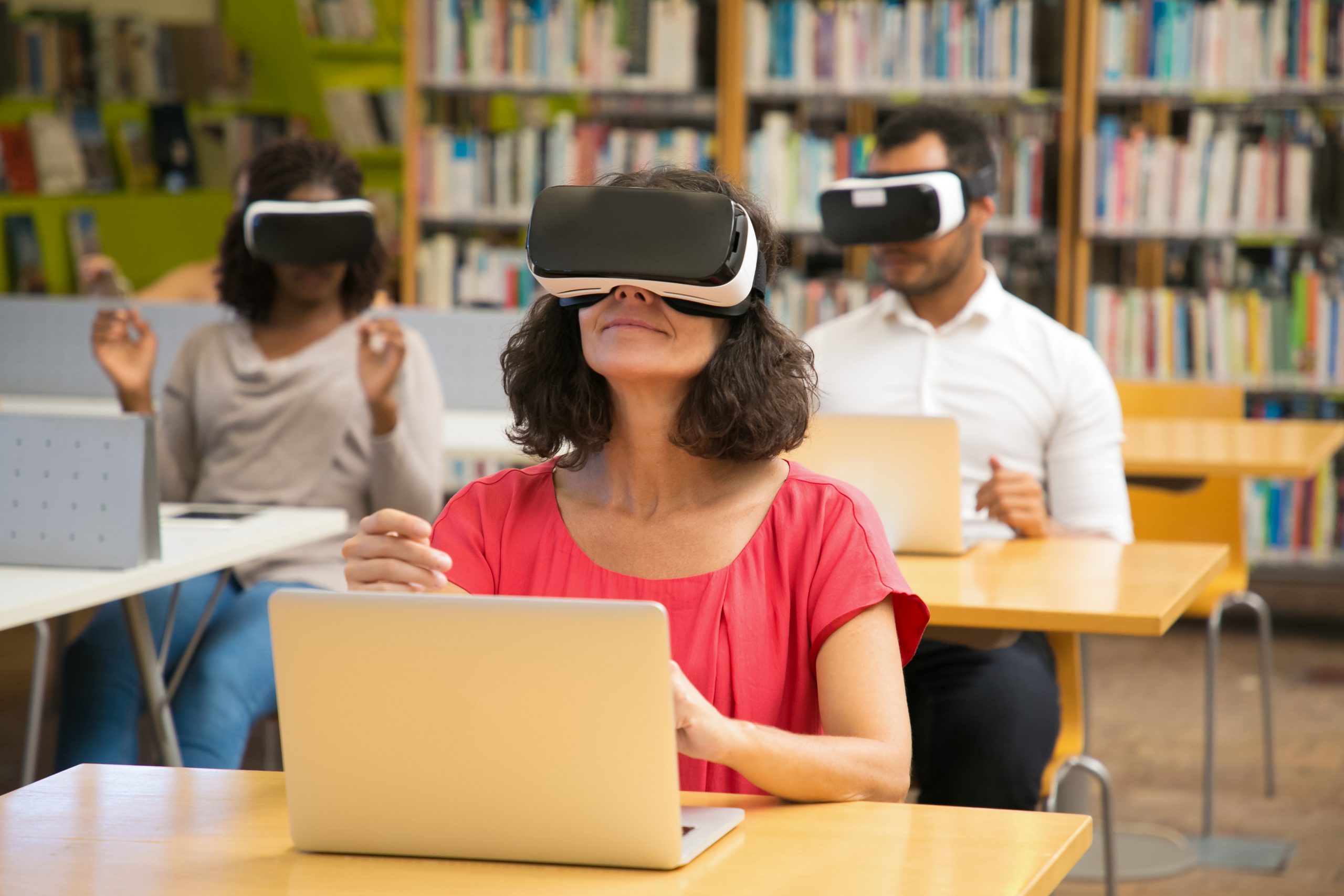

In the evolving landscape of education, the methods by which we learn have undergone significant transformations. Traditional classroom settings are no longer the sole mode of instruction; digital platforms have introduced diverse learning methodologies, among which Synchronous and Asynchronous Learning stand out.
At Jordan Journal, we recognize the importance of understanding these learning paradigms. Whether you’re a student, educator, or lifelong learner, comprehending the nuances of these approaches can empower you to make informed decisions about your educational journey.
Understanding Synchronous Learning
What Is Synchronous Learning?
Synchronous learning refers to real-time, instructor-led sessions where students and educators engage simultaneously. This method mirrors traditional classroom settings but utilizes digital tools to bridge geographical gaps.
Key Characteristics:
- Real-Time Interaction: Students participate in live discussions, ask questions, and receive immediate feedback.
- Structured Schedule: Classes are held at predetermined times, requiring students to be present at specific hours.
- Collaborative Environment: Encourages group activities, fostering teamwork and peer learning.
Advantages:
- Immediate Clarifications: Students can seek instant answers to their queries.
- Enhanced Engagement: Live sessions can boost motivation and participation.
- Sense of Community: Real-time interactions help in building relationships among peers and instructors.
Challenges:
- Time Constraints: Fixed schedules may not suit all students, especially those with other commitments.
- Technical Issues: Dependence on stable internet connections and functioning devices.
- Limited Flexibility: Missed sessions can be challenging to make up for.
Delving into Asynchronous Learning
What Is Asynchronous Learning?
Asynchronous learning allows students to access course materials, lectures, and assignments at their convenience, without real-time interaction with instructors or peers.
Key Characteristics:
- Self-Paced Learning: Students can progress through materials at their own speed.
- Flexible Access: Content is available 24/7, accommodating diverse schedules.
- Independent Study: Encourages self-discipline and time management skills.
Advantages:
- Flexibility: Ideal for students balancing studies with work or personal commitments.
- Accessibility: Materials can be revisited multiple times for better understanding.
- Global Reach: Enables participation from students across different time zones
Challenges:
- Delayed Feedback: Lack of immediate responses can hinder learning.
- Isolation: Limited interaction may lead to feelings of detachment.
- Self-Motivation Required: Students need strong discipline to stay on track.
Comparing Synchronous and Asynchronous Learning
| Feature | Synchronous Learning | Asynchronous Learning |
| Interaction | Real-time engagement | Delayed communication |
| Flexibility | Fixed schedule | Self-paced |
| Feedback | Immediate responses | Delayed responses |
| Community Building | High due to live interactions | Limited due to lack of real-time contact |
| Ideal For | Students seeking structure and routine | Students needing flexibility and autonomy |
Choosing the Right Learning Approach
Selecting between synchronous and asynchronous learning depends on various factors:
- Learning Style: Some students thrive in structured environments, while others prefer autonomy.
- Schedule: Consider your availability and commitments outside of study.
- Course Requirements: Certain subjects may benefit from real-time discussions, while others can be effectively learned independently.
Implementing Hybrid Learning Models
Many institutions are adopting hybrid models that combine both synchronous and asynchronous elements. This approach aims to leverage the strengths of both methods, offering a balanced learning experience.
Benefits of Hybrid Learning:
- Comprehensive Learning: Combines the depth of asynchronous study with the engagement of synchronous sessions.
- Flexibility with Structure: Provides students with the autonomy to learn at their own pace while maintaining scheduled interactions.
- Enhanced Accessibility: Caters to diverse learning preferences and schedules.
Best Practices for Synchronous Learning
To maximize the effectiveness of synchronous learning:
- Prepare in Advance: Review materials before sessions to participate actively.
- Engage Actively: Ask questions and contribute to discussions.
- Minimize Distractions: Choose a quiet environment to focus during sessions
Best Practices for Asynchronous Learning
To succeed in asynchronous learning:
- Create a Schedule: Allocate specific times for studying to maintain consistency.
- Stay Organized: Keep track of deadlines and assignments.
- Seek Support: Reach out to instructors or peers if you encounter difficulties.
FAQs
Can I switch between synchronous and asynchronous courses?
Yes, many institutions offer both options. It’s essential to consider your learning preferences and schedule when making a choice.
Are hybrid courses more effective than traditional ones?
Hybrid courses can be highly effective as they combine the benefits of both synchronous and asynchronous learning, catering to diverse learning styles.
Do I need advanced technology for online learning?
Basic technology, such as a computer with internet access, is typically sufficient. However, specific courses may have additional requirements.
How can I stay motivated in an asynchronous course?
Setting personal goals, creating a study schedule, and engaging with course materials regularly can help maintain motivation.
Are there support services available for online learners?
Many institutions offer support services, including tutoring, technical assistance, and counseling, to aid online learners.
Conclusion
Both synchronous and asynchronous learning approaches offer unique advantages and challenges. Understanding these can help you make informed decisions about your educational path. At Jordan Journal, we are committed to providing insights and resources to support your learning journey. Whether you prefer the structure of real-time classes or the flexibility of self-paced study, the key is to choose the method that aligns best with your personal learning style and circumstances.