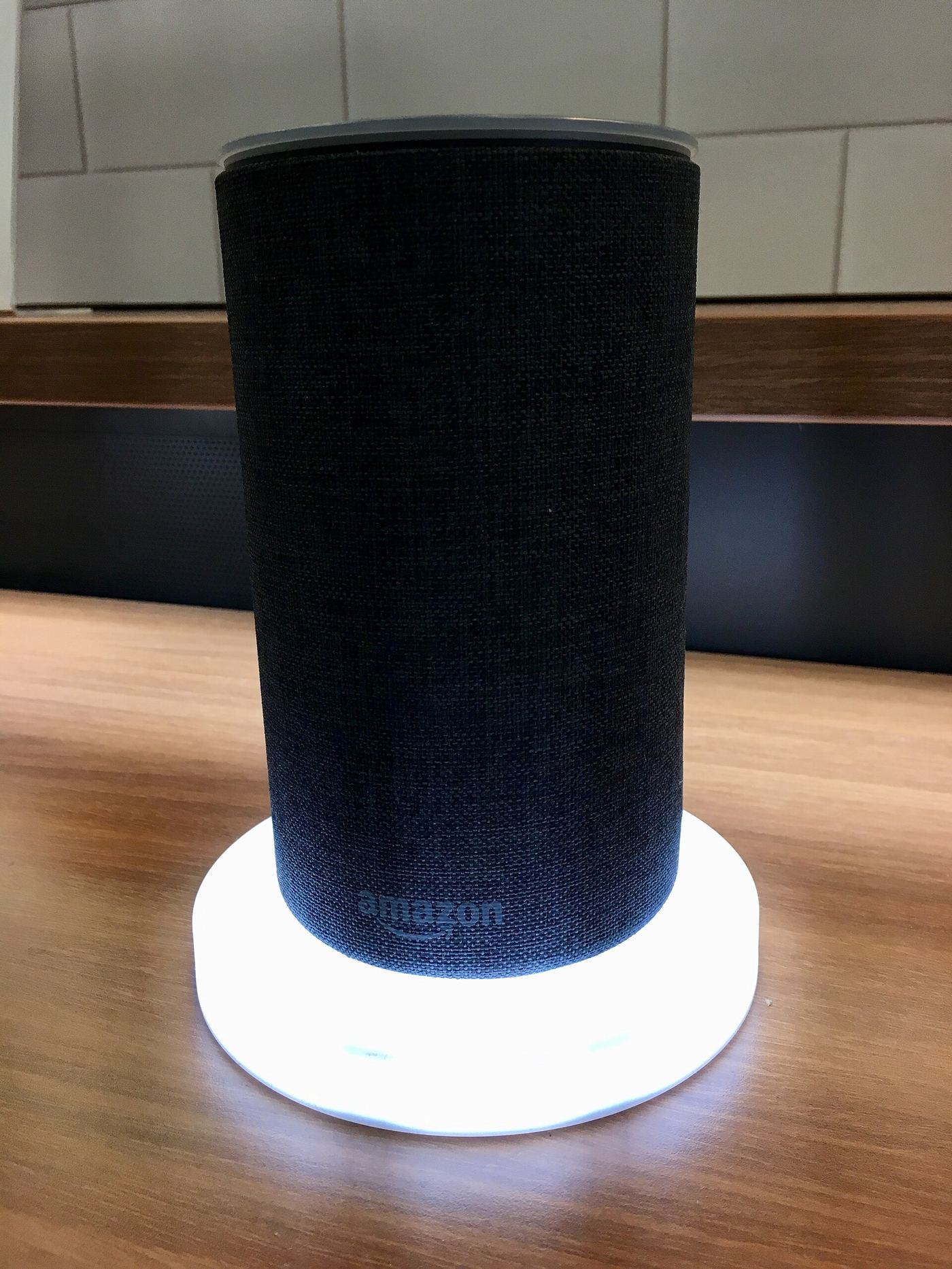
Smart home technology has moved beyond novelty and into the practical details of daily life. Lights that adjust to the time of day, thermostats that learn household patterns, and speakers that manage reminders are now working together in many homes. The appeal is less about owning the newest gadget and more about reducing small, repeated tasks. When devices are set up thoughtfully, they can save time in the morning, improve comfort in the evening, and help families keep track of energy use. The most successful setups tend to start small, solve a clear problem, and expand only when a new device genuinely makes an existing routine easier or more reliable.
What the Evidence Shows
Choosing the right devices still requires care. Compatibility between brands, clear privacy settings, and reliable home Wi-Fi all shape whether a system feels helpful or frustrating. Experts often suggest beginning with one room and testing how the technology fits real habits before adding more. Security updates and simple controls also matter, especially for households with children or older relatives. Looking ahead, manufacturers are focusing on standards that let products from different companies work together more smoothly. That shift could make smart homes easier to build and maintain, turning a collection of separate gadgets into a calm, coordinated system that supports daily life without demanding constant attention. Reporting and analysis from sources such as IEEE Spectrum track the same developments, and specialists following smart home routines made simpler say the direction is now consistent across independent lines of evidence.
The Wider Context
Adoption of smart home routines made simpler follows a familiar pattern with an unfamiliar speed. Early users tolerate rough edges in exchange for advantage, mainstream users arrive when the tool disappears into existing workflows, and the market consolidates around whoever made that transition feel effortless. Vendors are racing less on raw performance now than on integration, support and trust.
What Happens Next
The realistic forecast for smart home routines made simpler is steady integration rather than sudden replacement: embedded in products people already use, improving in increments, and regulated in proportion to its reach. The companies and institutions that plan on that basis, training staff and redesigning processes instead of chasing launches, are the ones the adoption data tends to vindicate. You can follow related developments in our coverage of technology.
It is also worth remembering how quickly the picture in this area has changed before. Positions that looked settled a few years ago have been revised as new data arrived, and the same humility is appropriate now. The strongest coverage of this subject, and the most useful advice, tends to come from sources that update their views openly when the facts move, rather than defending an earlier position long after it has stopped fitting the evidence available.