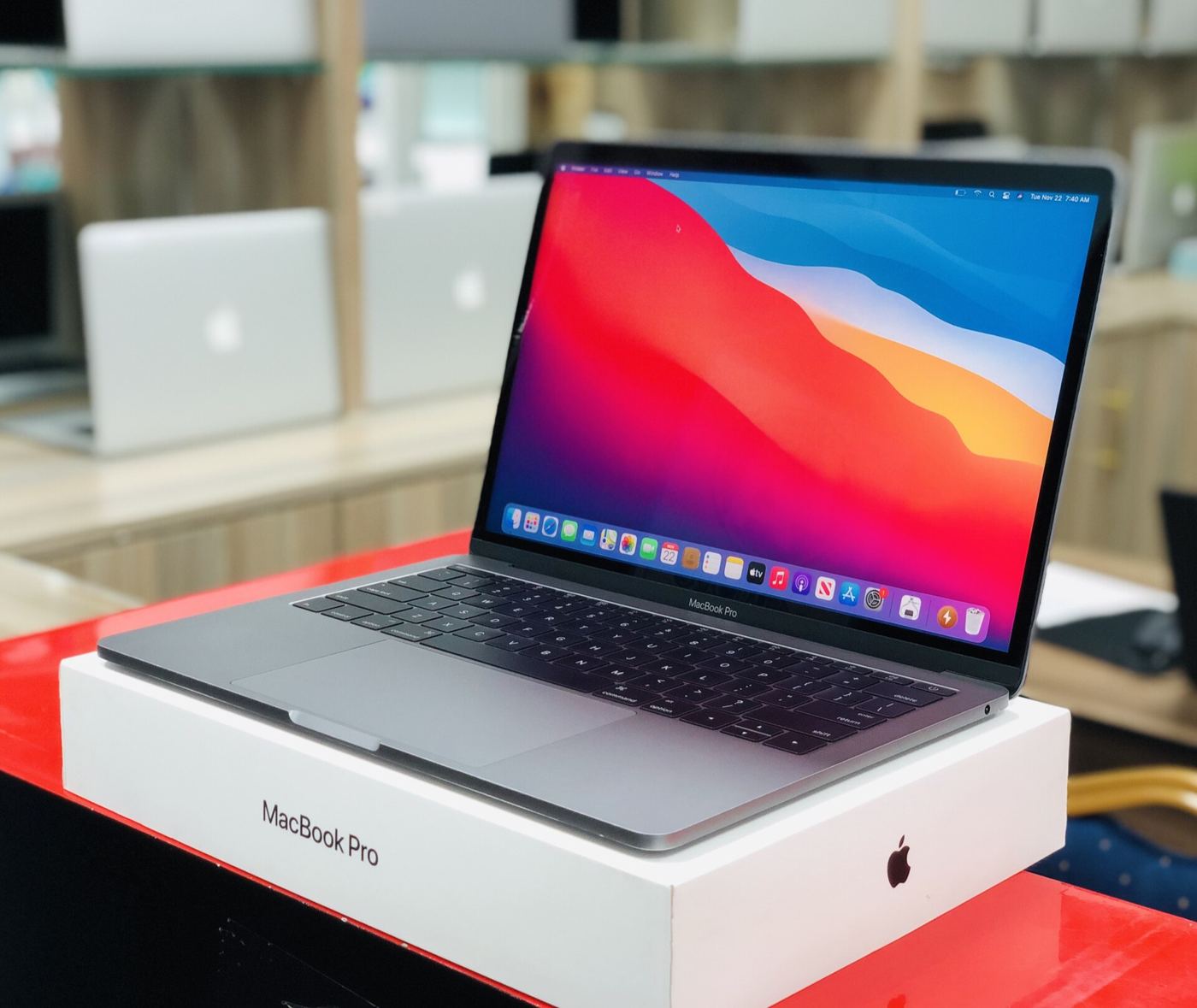
Apple has launched its first MacBook Pro with a touchscreen, ending a position the company held for nearly two decades. The new 14-inch and 16-inch MacBook Pro models with OLED touchscreens went on sale on 6 November 2026, alongside an OLED iPad mini, a new iMac and a standard 14-inch MacBook Pro, in a five-product launch. The touchscreen models start at 2,899 dollars for the 14-inch version and 3,399 dollars for the 16-inch version, and they run on the M5 Pro or M5 Max chips rather than the newer M6. Their screens use PROLED XDR display technology, and the machines run macOS 27 with touch features built into the system. Apple executives had argued for years that a touchscreen belonged on the iPad and not on the Mac, so the launch marks a sharp change of direction. The standard 14-inch MacBook Pro with the M6 chip starts at 1,999 dollars, while the OLED iPad mini with the A20 Pro chip starts at 699 dollars.
What the Evidence Shows
The decision to add touch to the Mac is a response to how people actually use their computers, and to pressure from rivals. Windows laptops have offered touchscreens for years, and many buyers expect to tap a screen as naturally as they tap a phone. Apple is betting that a Mac can keep its keyboard and trackpad while gaining touch as an extra way to work, rather than replacing the pointer entirely. The high prices show that Apple sees the touchscreen models as premium machines for professionals, not as a replacement for the standard MacBook Pro. Early buyers will test whether touch controls feel natural in desktop software, or whether reaching across the keyboard to tap a screen grows tiring over a working day. If the experiment succeeds, touch could spread across the Mac range in the years ahead. Reporting and analysis from sources such as IEEE Spectrum track the same developments, and specialists following Apple’s first touchscreen MacBook Pro say the direction is now consistent across independent lines of evidence.
The Wider Context
Adoption of Apple’s first touchscreen MacBook Pro follows a familiar pattern with an unfamiliar speed. Early users tolerate rough edges in exchange for advantage, mainstream users arrive when the tool disappears into existing workflows, and the market consolidates around whoever made that transition feel effortless. Vendors are racing less on raw performance now than on integration, support and trust.
What Happens Next
The realistic forecast for Apple’s first touchscreen MacBook Pro is steady integration rather than sudden replacement: embedded in products people already use, improving in increments, and regulated in proportion to its reach. The companies and institutions that plan on that basis, training staff and redesigning processes instead of chasing launches, are the ones the adoption data tends to vindicate. You can follow related developments in our coverage of technology.
It is also worth remembering how quickly the picture in this area has changed before. Positions that looked settled a few years ago have been revised as new data arrived, and the same humility is appropriate now. The strongest coverage of this subject, and the most useful advice, tends to come from sources that update their views openly when the facts move, rather than defending an earlier position long after it has stopped fitting the evidence available.